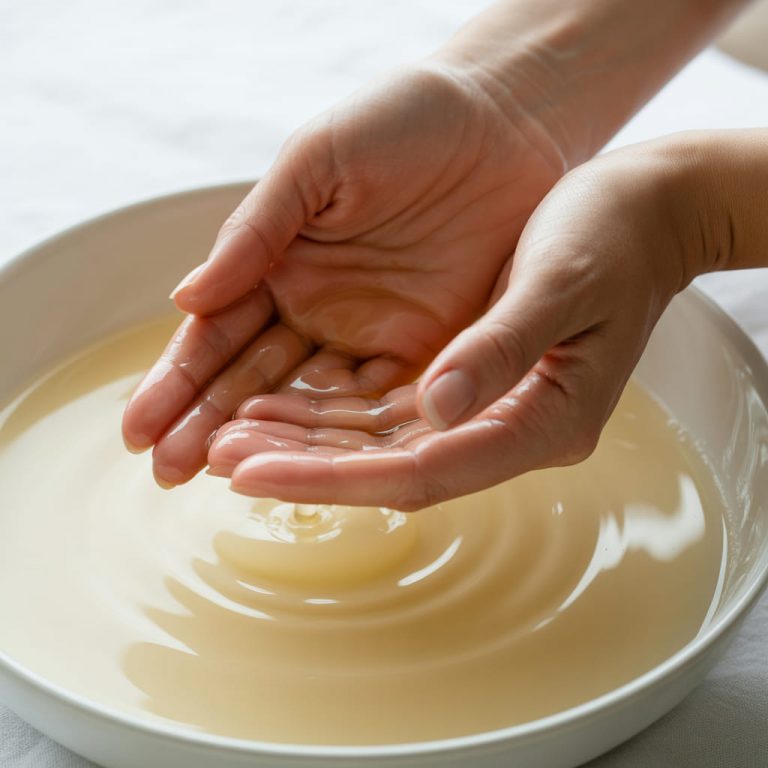
Restoring the Skin’s Confidence After Over-Exfoliation or Over-Treating
There is a particular kind of discomfort that comes from realizing you have pushed your skin too far. Maybe it happened after an enthusiastic night of exfoliating, or perhaps after trying a new product that promised instant clarity, brightness, or renewal.
Sometimes over-treating is unintentional, a result of layering too many actives, too quickly, without giving the skin time to breathe. Other times, it happens during moments when we feel out of balance in our lives and seek some form of control.
But when the skin becomes tight, warm, flushed, or unexpectedly sensitive, it speaks loudly: I need gentleness now. I need space to find myself again.
Restoring your skin after over-exfoliation or over-treating is not just a routine shift. It is an emotional recalibration. It is an invitation to soften, to listen, and to rebuild a relationship of trust with your body.
Healing becomes a slow, mindful process, powered not by products but by a kinder way of approaching yourself. Today, I want to share the steps and reflections that help the skin relearn its own confidence after being pushed beyond its limits.
Understanding What Over-Treating Really Means
Over-treating the skin often comes from good intentions. We exfoliate to renew, brighten, and improve texture. We try serums to feel nourished. We test new routines with the hope of seeing changes quickly.
But skin has its own pace, and when we move faster than it can keep up with, its protective barrier begins to weaken. Signs of over-treating include:
- increased redness
- tightness that does not go away after moisturizing
- sudden sensitivity to products that once felt safe
- small bumps or dry patches
- a lingering feeling of warmth or irritation
- a lack of resilience
These signs are not failures; they are signals. They are your skin’s way of asking for a slower rhythm. When we acknowledge these signals, we enter the beginning of restoration.
The Emotional Layer Behind Over-Exfoliating
There is also something tender beneath the surface of over-exfoliation. Many of us push our skin hardest during moments when we feel overwhelmed, uncertain, or disconnected from ourselves.
We scrub or layer products because it gives us something to control when everything else feels unpredictable. We mistake intensity for transformation, forgetting that the body responds best to softness.
Restoring your skin begins with recognizing the emotion behind the over-treating:
- a need for change
- a desire to feel renewed
- a moment of frustration
- a lapse in self-listening
Acknowledging this emotional layer helps you approach healing with gentleness instead of self-judgment. The goal is not to correct the mistake but to understand it and move forward with softness.
Step One: Immediately Creating Space for the Skin to Breathe
The first step in healing is to stop everything that overwhelms the skin. No exfoliants. No retinoids. No strong acids. No peels. No scrubs. No multi-active routines. The skin needs time alone, without stimulation, to rebuild the barrier that protects it.
For a period of several days or even a full week, embrace simplicity:
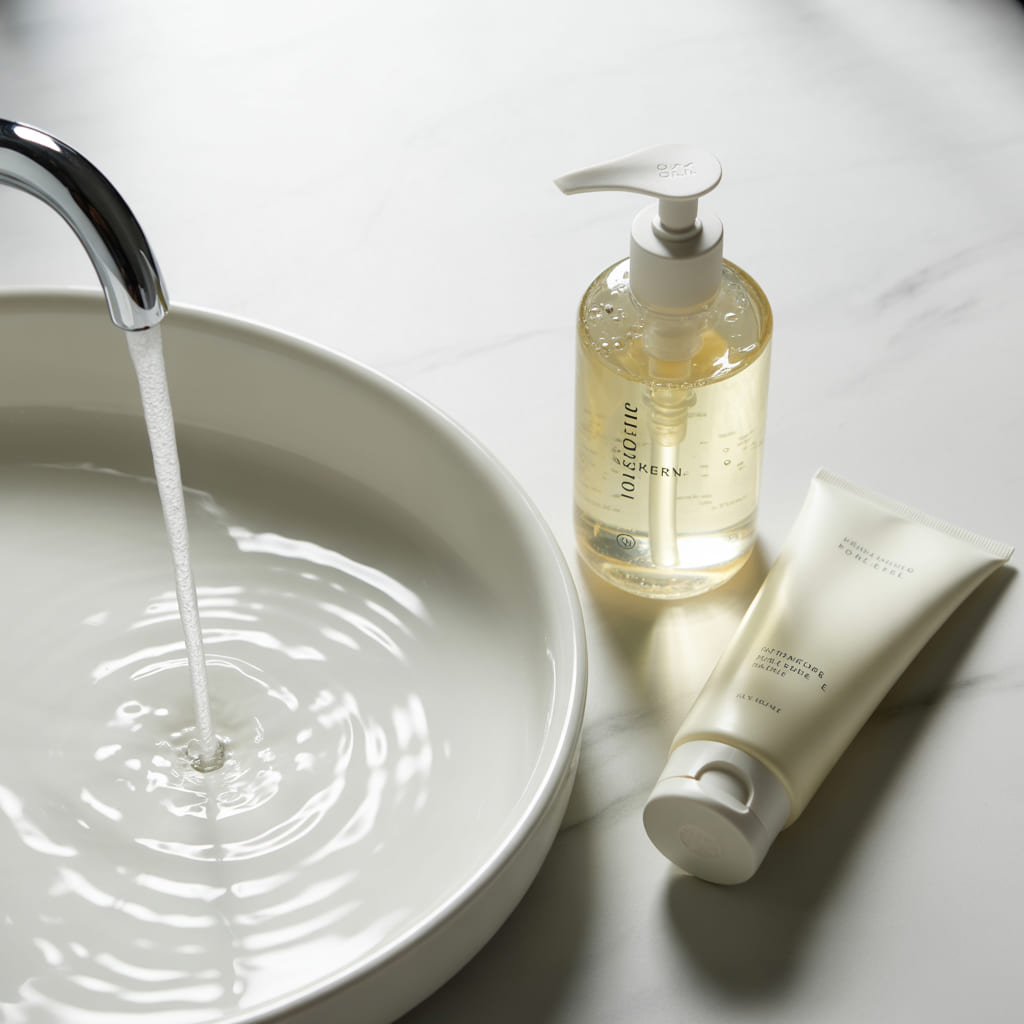
- warm water
- a gentle, non-foaming cleanser
- a soft, fragrance-free moisturizer
- shade instead of sunscreen when possible
- absolutely no active ingredients
This is not a step backward in your beauty journey. It is an act of restoration, a retreat for your skin to find its own rhythm without pressure.
During this period, your skin may feel slightly vulnerable, almost like it is rediscovering what safety means. Allow that vulnerability. It is part of the healing.
Step Two: Rebuilding the Barrier Through Simple Nourishment
The skin barrier is a delicate ecosystem. When it becomes compromised, it needs calm, consistent support rather than complicated routines.
Gentle nourishment includes:
Warm Water, Not Hot Water
Warm water encourages relaxation without stripping the skin of essential oils. It brings circulation to the surface gently.
Soft Moisturizers With Minimal Ingredients
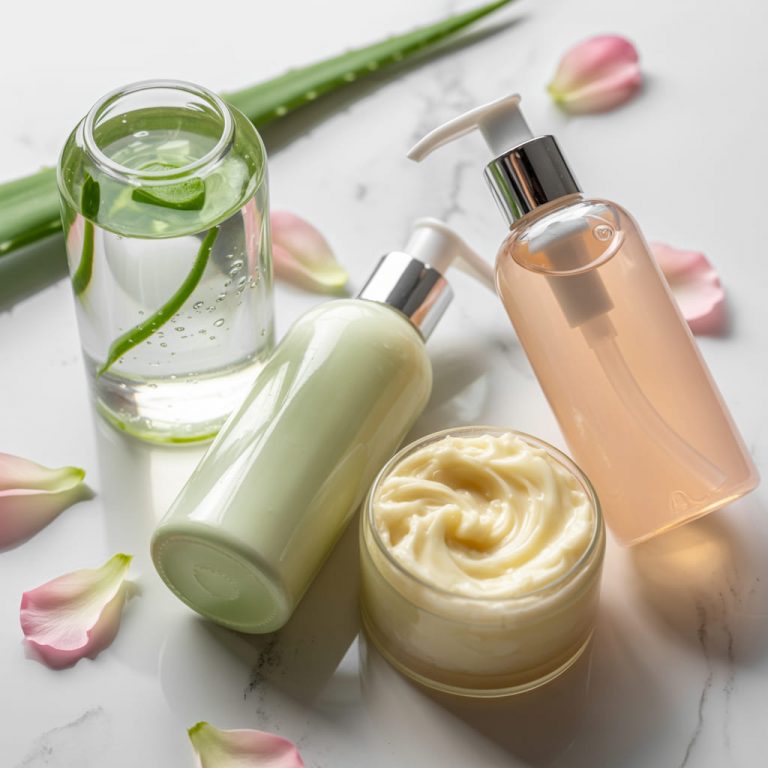
Products with ceramides, squalane, or oat extract can be supportive. But choose formulas that feel soothing rather than active.
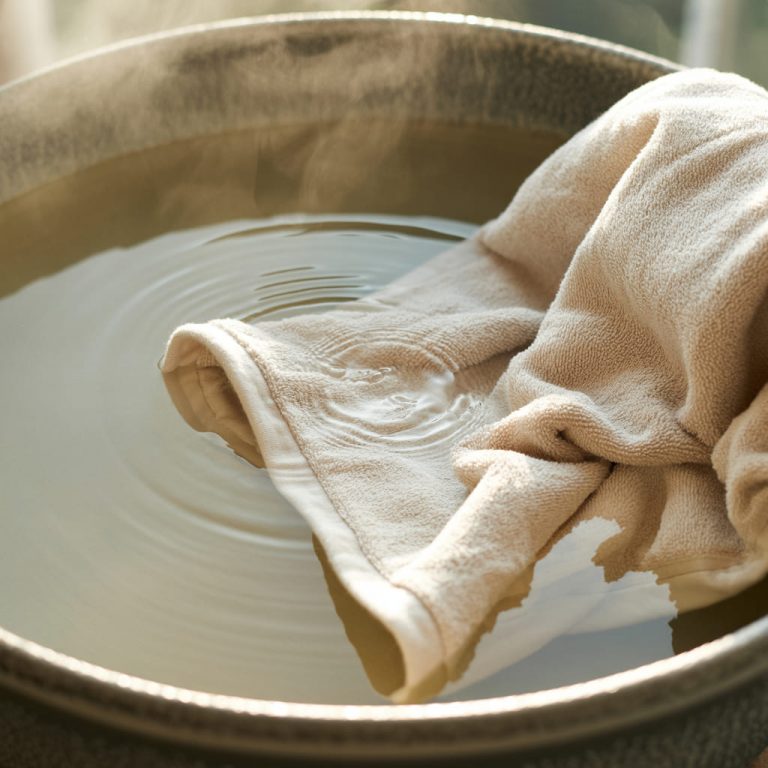
A Moist Towel Pressed Lightly Against the Skin
Holding a warm towel gently against your cheeks or forehead helps the skin soften without any friction. Avoid wiping or rubbing.
Breathwork While Moisturizing
When you breathe slowly as you apply moisturizer, you help relax the tiny muscles beneath the skin, reducing tension that often makes sensitivity worse.
Barrier repair is not just topical — it is emotional. When you treat your skin gently, you reintroduce trust, stability, and softness.
Step Three: Reintroducing Sun Protection in the Softest Way
A compromised skin barrier is extremely vulnerable to sun exposure. But on rest days when you avoid sunscreen to let the skin breathe, gentle shade becomes your ally.
Support your skin by:
- wearing a soft, wide hat when outside
- seeking natural shade from trees
- choosing morning or late afternoon light
- using a scarf to diffuse sunlight over the face
This approach protects your skin without adding new products for it to process. As your skin strengthens, you can reintroduce a mild, non-irritating sunscreen — but only when it feels completely ready.
Step Four: Listening Closely to Your Skin’s Cues Before Adding Anything Back
Once your skin begins to feel more stable, you may feel tempted to resume your previous routine. But the skin heals best when the reintroduction of products is slow, intentional, and thoughtful.
Begin with one gentle product at a time:
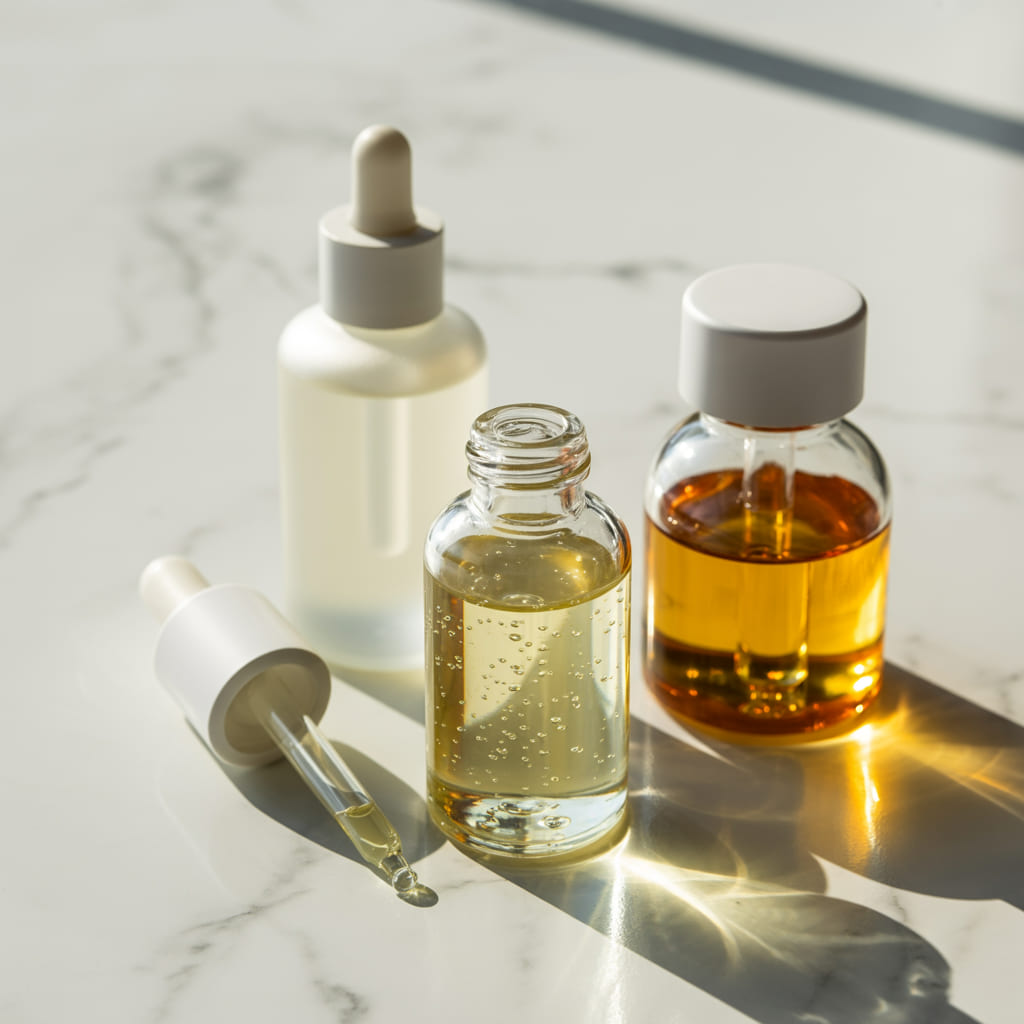
- a hydrating serum without active acids
- a simple essence with aloe or panthenol
- a soft oil to seal in moisture
Wait several days before adding anything else. If your skin reacts, remove the product immediately and continue supporting the barrier.
The goal is not to return to your old routine. It is to build a new one that honors what your skin has taught you.
A New Way to Approach Exfoliation Moving Forward
Once your skin is fully restored, exfoliation should reenter your life with tenderness rather than urgency. A slow-beauty approach might mean exfoliating:
- once every one to two weeks
- only when your skin feels textured, not because a schedule says so
- with mild, non-abrasive formulas
- with awareness of how your skin responded last time
Exfoliation becomes a conversation, not a command.
Instead of asking, What will this do for my skin? you begin asking, Is my skin asking for this right now? This shift creates longevity, stability, and comfort.
A Closing Reflection
Restoring your skin after over-exfoliation or over-treating is a journey of softness. It is not about correcting a mistake, but about reestablishing a relationship built on gentleness and awareness.
When you give your skin time, breath, warmth, and quiet, it responds with resilience. It remembers how to heal. It remembers how to glow.
May your skin feel safe again, may your touch become slower, and may you discover a deeper appreciation for all the ways your skin communicates with you every day.